Port traffic through Norfolk International Terminal and I-264 congestion make Norfolk tough on trucks. Our techs carry the parts and tools specific to Hampton Roads operating conditions.
Port Drayage Truck Service in Norfolk
Port drayage trucks in Norfolk get worked hard in exactly the kind of pattern that creates repeated breakdowns: long idle periods, short loaded runs, terminal queues, and nonstop hookup cycles with chassis and trailers. Norfolk Truck and Trailer Repair Co. provides mobile service across Norfolk, Chesapeake, Portsmouth, and the rest of Hampton Roads, with special attention to the way coastal freight, port traffic, and bridge-tunnel routing affect heavy equipment. For dispatch, call 757-994-1487.
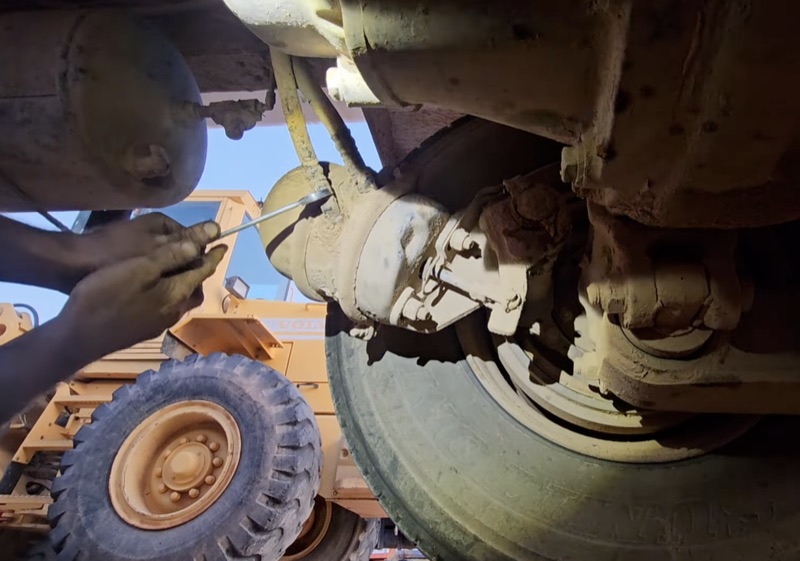
This market is hard on trucks in specific ways. Salt air and marine moisture corrode hardware. Port and military traffic create long idle periods followed by short heavy pulls. Bridge-tunnel routes on I-64 and I-264 punish cooling systems, brakes, and electrical connections. A mechanic who works Norfolk regularly should be looking for those patterns on every call.
What we handle
- Diesel no-start, low-power, and derate complaints on drayage units
- Brake and air issues on tractors and chassis moving through terminals
- Trailer connector, lighting, and ABS faults
- Cooling and charging problems made worse by idle time
- Inspection of chassis-related defects that interrupt container moves
- Field diagnostics for port trucks parked in yards, lots, and commercial routes
We do not treat every breakdown like a one-part failure. Good diagnosis means checking the system that supports the complaint. Brake issues can involve air supply and electrical controls. Trailer issues may start with connector problems or chassis wear. Electrical issues often come down to corrosion, loose grounds, rubbed harnesses, or charging faults that only show themselves under load.
Why Norfolk trucks fail differently
Port drayage and military freight create a rough service cycle. Trucks sit, creep, hook and unhook, idle in line, then work hard in short bursts. That pattern causes more aftertreatment complaints, more battery and charging problems, and more corrosion-related failures than you see in inland over-the-road work.
We also pay attention to where the truck is parked. A unit down near Norfolk International Terminals, Hampton Boulevard, Terminal Boulevard, I-564, or the Midtown and Downtown Tunnel approaches may need a different repair plan than a truck parked at a customer yard in Chesapeake or Portsmouth. Access and urgency both matter.
What to expect on the service call
When you call 757-994-1487, we want the truck location, the equipment type, the visible symptoms, and whether the unit is loaded or empty. That saves time and helps us show up ready to diagnose instead of asking basic questions after arrival.
Once on site, we confirm the failure, inspect the surrounding system, and explain whether the repair is practical in the field. If it is, we get to work. If it needs shop-level teardown, you get a clean recommendation and a reason. That matters when dispatch is deciding whether to hold, swap, or reroute equipment.
What fleets appreciate about mobile service here
A lot of Hampton Roads operators are juggling port appointments, local delivery windows, and military or contractor schedules that do not leave much room for surprise downtime. Mobile service helps because the truck can be diagnosed where it failed, which reduces guesswork and avoids unnecessary towing when the repair is field-practical.
We also keep the recommendations grounded. If the truck can go back to work with a solid on-site repair, we do it. If the issue points to deeper shop work, we say that clearly. Good information is part of the service, especially when multiple people are trying to make dispatch decisions.
How we diagnose before we replace parts
Fast service does not mean careless service. We test first, inspect the surrounding components, and look at the conditions that caused the failure. That matters in Norfolk because corrosion, moisture, and stop-start freight work create a lot of complaints that can be misread if someone jumps straight to the most obvious part.
The goal is to repair the truck once and send it back out with a realistic understanding of what happened. That helps owner-operators protect revenue and helps fleet managers avoid seeing the same unit back on the service board two days later.
Service areas and dispatch realities
We cover Norfolk, Chesapeake, Portsmouth, and surrounding Hampton Roads calls when dispatch and access line up. The exact response plan can vary depending on tunnel traffic, terminal routing, military access restrictions, and where the truck is parked. Giving a precise location helps us shave time off the call from the start.
That local dispatch awareness is not fluff. In Hampton Roads, a few miles on the map can turn into a major delay if the route crosses the wrong tunnel or catches port congestion at the wrong moment. We plan around that because customers are paying for useful service, not excuses.
Internal support for related repairs
Norfolk truck failures often overlap. That is why this page also connects naturally with Mobile Diesel Block and Injector Service in Norfolk, Trailer and Chassis Repair in Norfolk, and Electrical Repair in Norfolk. Following the connected system is often the difference between a short repair and repeat downtime.
If your truck is down now, call 757-994-1487. Call now for Norfolk truck repair and give us the best possible location details for dispatch.